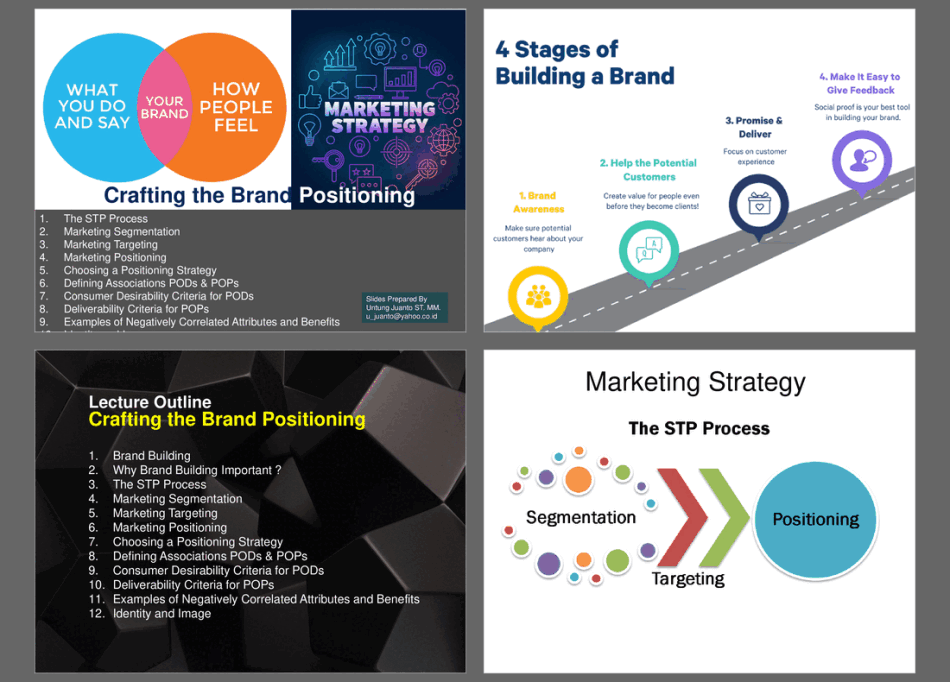
Crafting the Brand Positioning (Marketing Strategy)
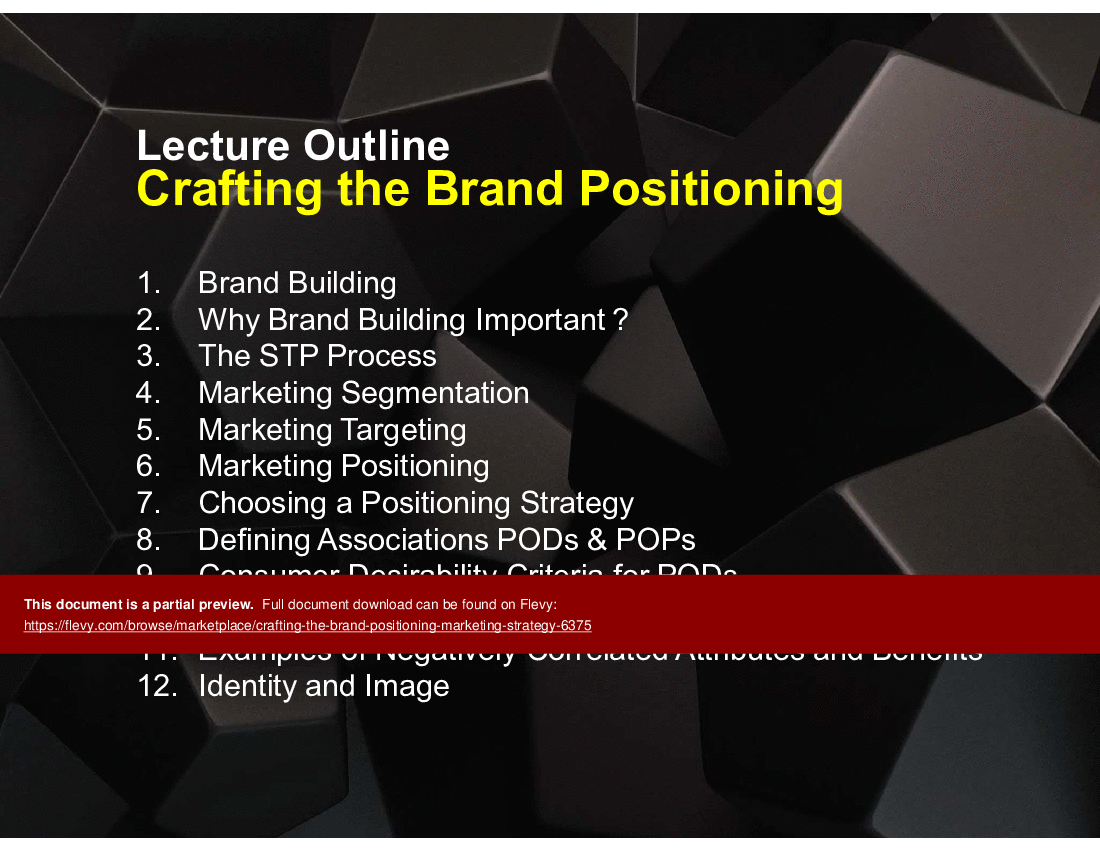
Lecture Outline
1. Brand Building

2. The STP Process
2. Marketing Segmentation
3. Marketing Targeting
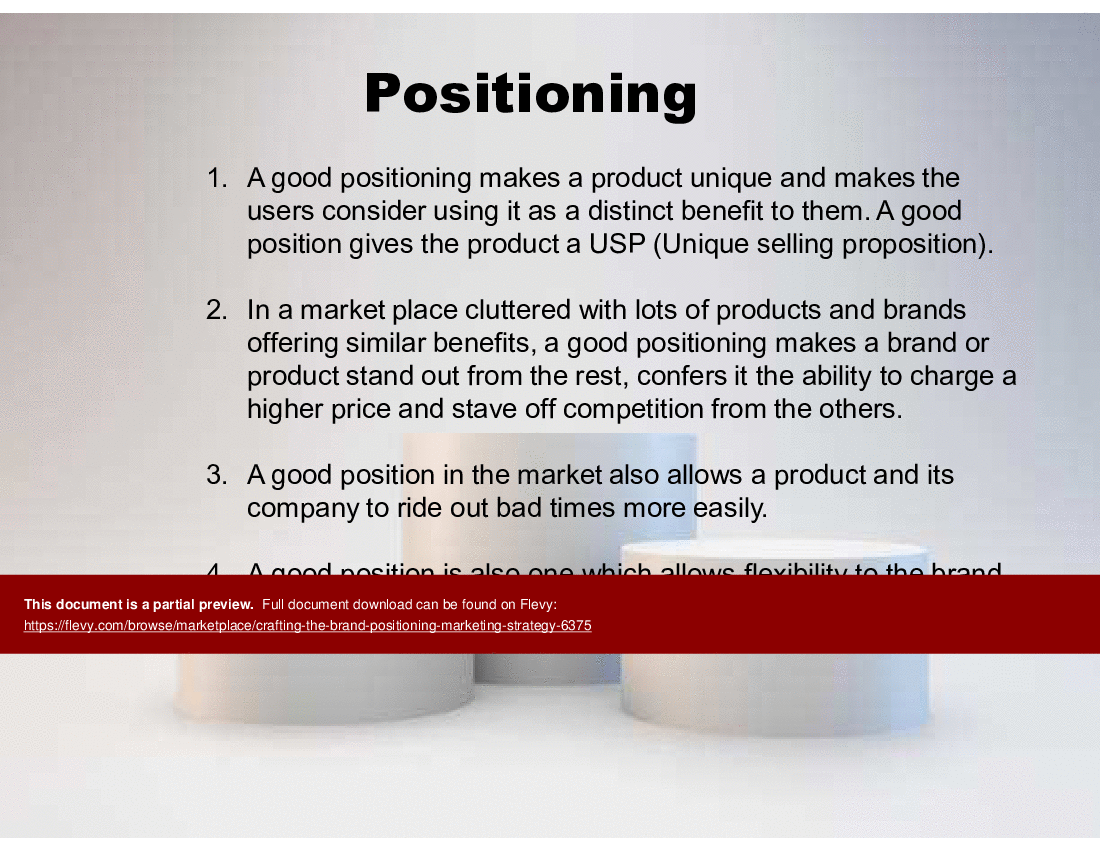
4. Marketing Positioning
5. Choosing a Positioning Strategy
6. Associations PODs & POPs
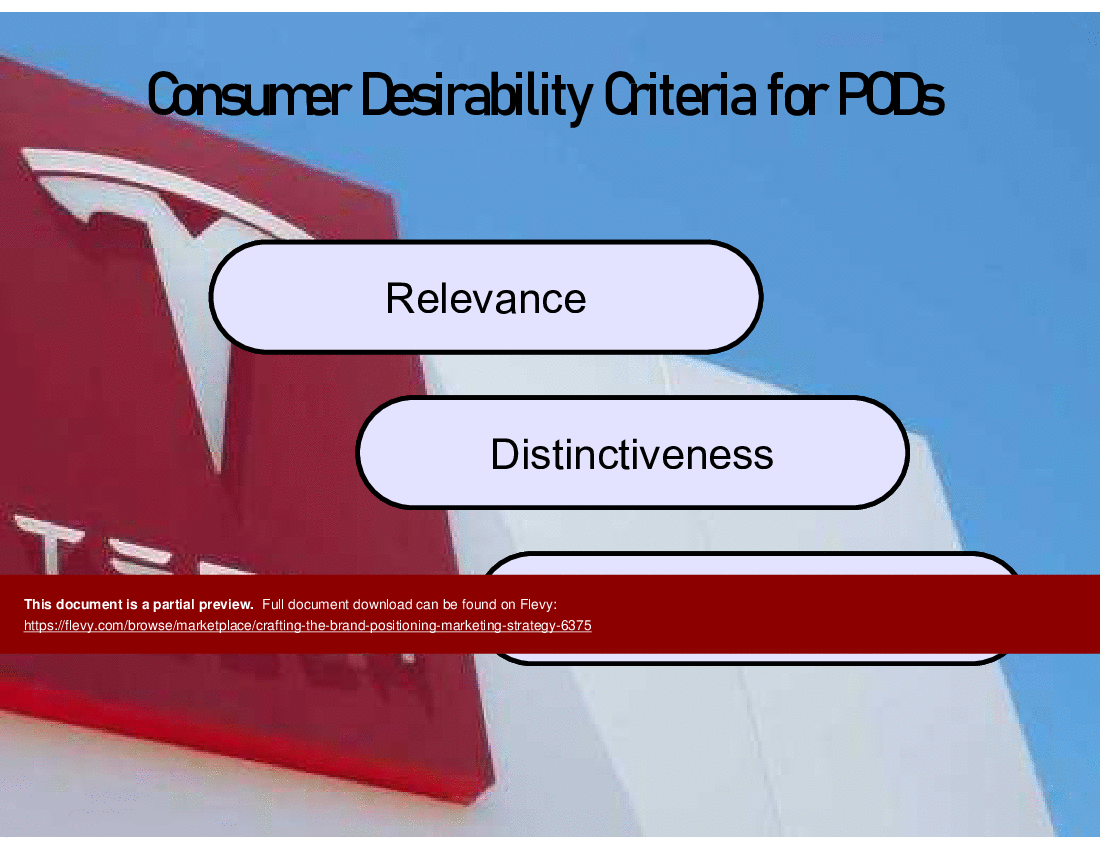
7. Consumer Desirability Criteria for PODs
8. Deliverability Criteria for POPs
9. Examples of Negatively Correlated Attributes and Benefits
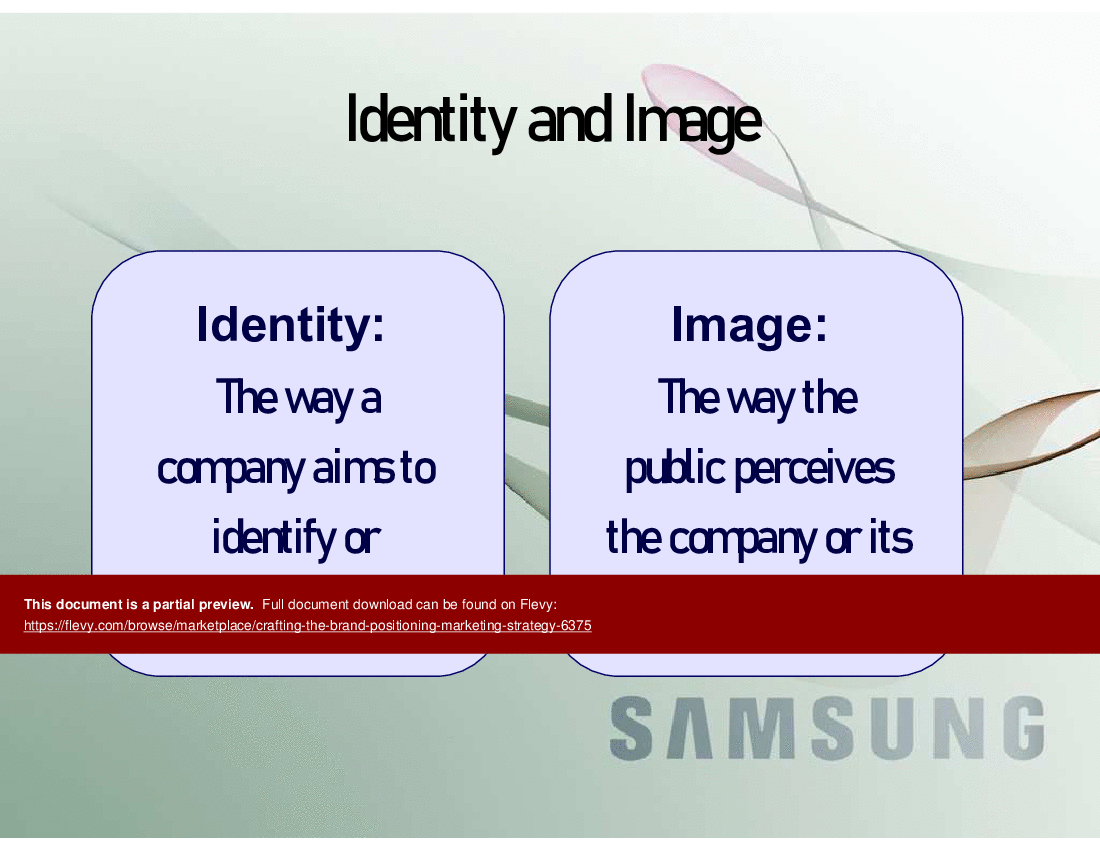
10. Identity and Image
Brand building is the process that implies using direct advertising campaigns to boost brand awareness, promote a specific product, establish connections and provide value to the target audience. It increases customer satisfaction, customer loyalty, and brand recognition.
Why is brand building important?
A brand is a crucial asset since it helps shape a positive perception of your business in consumers' minds. With its help, people become aware of your company's values, brand personality, and mission. If you succeed to create a strong brand, you can reap the following benefits:
1. increased recognition
2. high level of customer loyalty
3. word of mouth promotion
4. trust
5. credibility
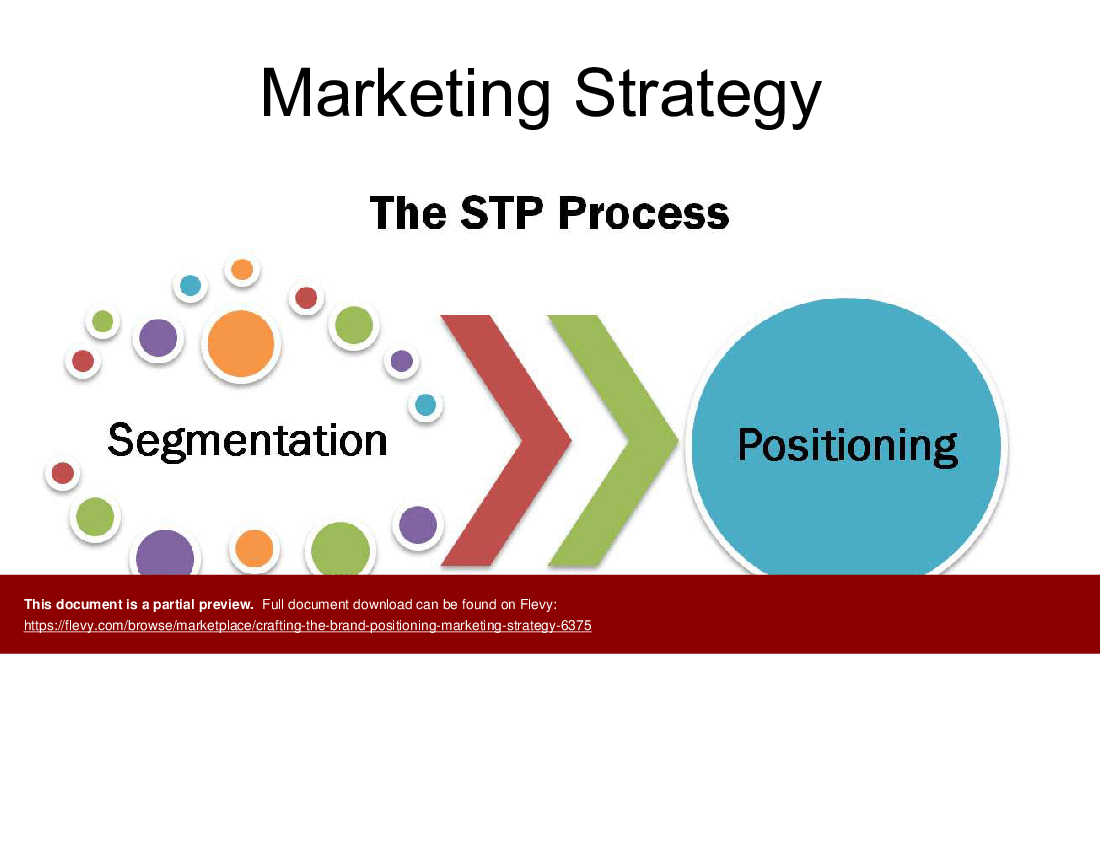
Today, the STP marketing model (Segmentation, Targeting, Positioning) is a familiar strategic approach in modern marketing. It is one of the most commonly applied marketing models in practice, with marketing leaders crediting it for efficient, streamlined communications practice.
STP marketing focuses on commercial effectiveness, selecting the most valuable segments for a business and then developing a marketing mix and product positioning strategy for each segment.
As Martech continues to develop, so do opportunities for segmentation, targeting, and positioning. So whether you're brand new to STP or a seasoned veteran, it can be useful to take stock and double-check you're utilizing every chance you get to reach, interact with, convert and engage customers.
This PPT offers a comprehensive framework for developing a robust brand positioning strategy. It equips executives with actionable insights to effectively segment their target markets and refine their messaging for maximum impact.
Got a question about the product? Email us at support@flevy.com or ask the author directly by using the "Ask the Author a Question" form. If you cannot view the preview above this document description, go here to view the large preview instead.
Executive Summary
The "Crafting the Brand Positioning" PowerPoint presentation serves as a comprehensive guide for developing effective brand positioning and marketing strategies. This template is designed to help corporate executives, marketing leaders, and consultants understand the critical elements of brand building, including segmentation, targeting, and positioning. By utilizing this presentation, users will gain insights into how to create a unique brand identity that resonates with their target audience, ultimately enhancing brand recognition and loyalty.
Who This Is For and When to Use
• Marketing executives responsible for brand strategy and positioning
• Brand managers seeking to refine their brand’s market presence
• Consultants advising clients on marketing strategies
• Product managers involved in launching new products or services
Best-fit moments to use this deck:
• During strategic planning sessions focused on brand development
• When conducting workshops on market segmentation and targeting
• In presentations to stakeholders about brand positioning strategies
Learning Objectives
• Define the STP (Segmentation, Targeting, Positioning) process in marketing
• Build effective brand positioning strategies that differentiate from competitors
• Establish consumer desirability criteria for points-of-difference (PODs)
• Identify deliverability criteria for points-of-parity (POPs)
• Analyze examples of negatively correlated attributes and benefits
• Communicate the importance of brand identity and image
Table of Contents
• Brand Building (page 5)
• Why Brand Building Important? (page 6)
• The STP Process (page 8)
• Marketing Segmentation (page 9)
• Marketing Targeting (page 10)
• Marketing Positioning (page 12)
• Choosing a Positioning Strategy (page 14)
• Defining Associations PODs & POPs (page 15)
• Consumer Desirability Criteria for PODs (page 16)
• Deliverability Criteria for POPs (page 17)
• Examples of Negatively Correlated Attributes and Benefits (page 18)
• Identity and Image (page 22)
Primary Topics Covered
• Brand Building - The process of enhancing brand awareness and customer loyalty through targeted advertising and value delivery.
• STP Process - A structured approach to market segmentation, targeting, and positioning that guides brand strategy.
• Marketing Segmentation - The practice of dividing a market into distinct groups of consumers with similar needs to tailor marketing efforts effectively.
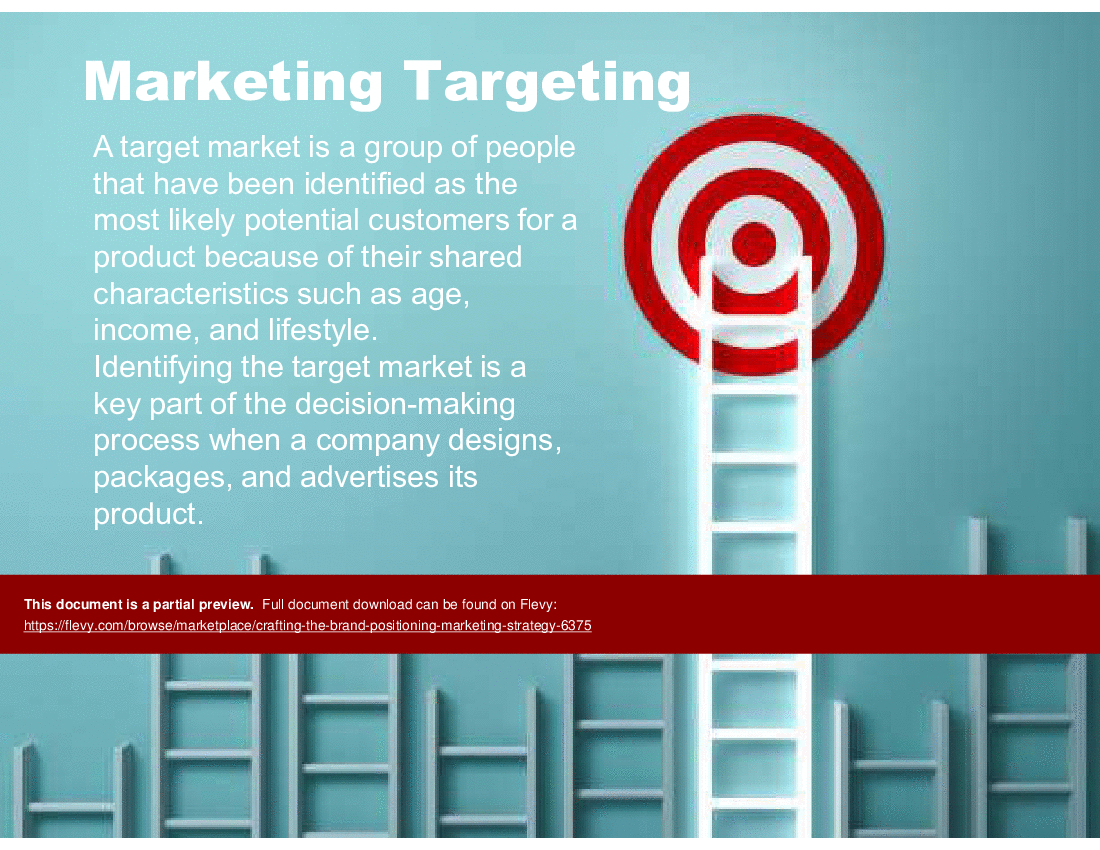
• Marketing Targeting - Identifying specific groups of consumers most likely to purchase a product based on shared characteristics.
• Marketing Positioning - Designing a brand’s offering and image to occupy a distinct place in the minds of the target market.
• Points-of-Difference (PODs) - Attributes or benefits that consumers strongly associate with a brand, setting it apart from competitors.
Deliverables, Templates, and Tools
• Brand positioning strategy template for defining unique selling propositions
• Market segmentation framework to identify target consumer groups
• Target market analysis template to inform product specifications and marketing plans
• Criteria checklist for evaluating consumer desirability and deliverability
• Case studies of successful brand positioning strategies
• Visual aids for communicating brand identity and image
Slide Highlights
• Overview of the STP process illustrating the flow from segmentation to positioning
• Insights on the importance of brand building and its impact on customer loyalty
• Examples of negatively correlated attributes that affect consumer perceptions
• Framework for defining points-of-difference and points-of-parity in brand strategy
• Visual representation of brand identity versus brand image
Potential Workshop Agenda
Brand Positioning Overview (60 minutes)
• Discuss the importance of brand positioning in marketing
• Review the STP process and its application in brand strategy
• Analyze case studies of successful brand positioning
Segmentation and Targeting Session (90 minutes)
• Identify key consumer segments for targeted marketing
• Develop a target market profile based on shared characteristics
• Create a segmentation strategy tailored to specific products
Positioning Strategy Development (90 minutes)
• Define unique selling propositions for selected brands
• Evaluate consumer desirability criteria for PODs
• Discuss deliverability criteria for POPs and their implications
Customization Guidance
• Adapt the segmentation framework to align with specific market conditions
• Modify target market profiles based on unique product characteristics
• Tailor positioning strategies to reflect company values and mission
Secondary Topics Covered
• Differentiation strategies across product, channel, personnel, and image
• Consumer behavior insights related to brand perception
• The role of identity and image in shaping brand equity
• Common pitfalls in brand positioning and how to avoid them
Topic FAQ
Document FAQ
These are questions addressed within this presentation.
What is the STP process?
The STP process stands for Segmentation, Targeting, and Positioning, which is a marketing strategy framework used to identify and reach specific consumer groups effectively.
Why is brand building important?
Brand building is crucial as it shapes consumer perceptions, fosters loyalty, and enhances recognition, ultimately leading to increased sales and market share.
How can I identify my target market?
Identify your target market by analyzing shared demographics, behaviors, and preferences among potential customers to tailor your marketing efforts effectively.
What are points-of-difference (PODs)?
PODs are unique attributes or benefits that consumers strongly associate with a brand, making it stand out from competitors.
What are points-of-parity (POPs)?
POPs are associations that are not unique to a brand, but are shared with other brands, ensuring that the brand meets basic consumer expectations.
How do I evaluate consumer desirability criteria?
Consumer desirability criteria can be evaluated based on relevance, distinctiveness, and believability of the brand's attributes.
What are common positioning errors?
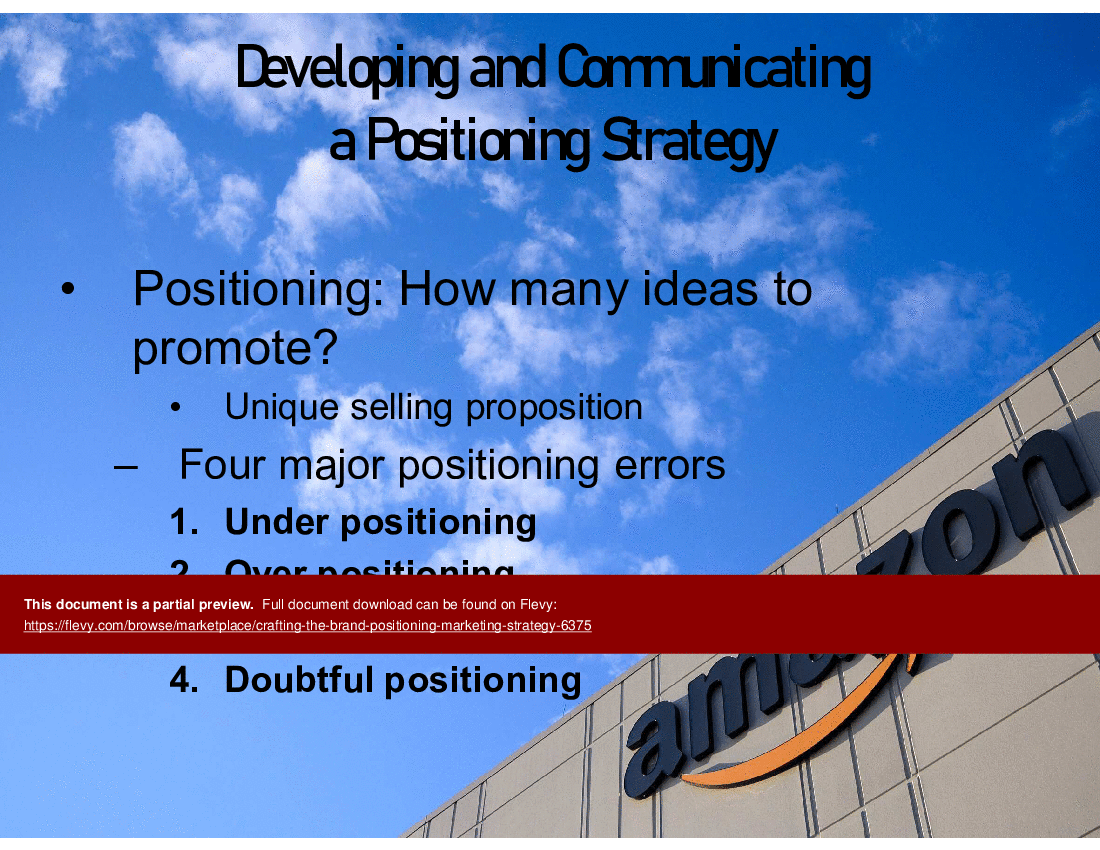
Common positioning errors include under positioning, over positioning, confused positioning, and doubtful positioning, which can dilute a brand's effectiveness.
How can I communicate my brand's identity?
Communicate your brand's identity through consistent messaging, visual elements, and customer experiences that align with your brand values and mission.
Glossary
• Brand Building - The process of enhancing brand awareness and loyalty through strategic marketing.
• STP Process - A framework for market segmentation, targeting, and positioning.
• Market Segmentation - Dividing a market into distinct groups based on shared characteristics.
• Target Market - A specific group of consumers identified as potential customers.
• Points-of-Difference (PODs) - Unique attributes that differentiate a brand from competitors.
• Points-of-Parity (POPs) - Attributes shared with other brands that meet consumer expectations.
• Consumer Desirability - Criteria that determine how appealing a brand's attributes are to consumers.
• Brand Identity - The way a company positions itself in the market.
• Brand Image - The public perception of a company and its products.
• Differentiation Strategy - Approaches to distinguish a brand from its competitors.
• Unique Selling Proposition (USP) - A distinct benefit that sets a product apart from others.
• Positioning Strategy - The method used to communicate a brand's unique value to its target market.
Source: Best Practices in Brand Strategy, Positioning PowerPoint Slides: Crafting the Brand Positioning (Marketing Strategy) PowerPoint (PPT) Presentation Slide Deck, UJ Consulting
This document is available as part of the following discounted bundle(s):
Save %!
Complete Marketing Strategy Best Practice
This bundle contains 10 total documents. See all the documents to the right.
|
Download our FREE Strategy & Transformation Framework Templates
Download our free compilation of 50+ Strategy & Transformation slides and templates. Frameworks include McKinsey 7-S, Balanced Scorecard, Disruptive Innovation, BCG Curve, and many more. |